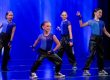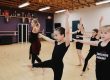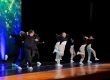

The best thing that can happen to parents is observing the sparkle of happiness when the child is dancing. They come home excited, radiating energy, after the dance sessions at the training school, all jittery to teach the new dance moves they have acquired. But becoming accomplished at the art of dancing is no lunch. They have to be present at the dance classes, but progress is also often made between classes.
If you want to contribute positively to the progress of the young dancer, you do not necessarily need to be a choreographer yourself. You can make a great impact in the young dancer’s progress by simply being positive and prepared with the right resources. This means you can make a positive impact in their training by preparing them at home, and these are all things we encourage at Chara!
Creating a Supportive Home Environment
The first step in making practice possible is to reserve a space for movement. This doesn’t mean that you should set up a dance studio in your basement. All you need is a safe area where your youngster can move around without breaking anything or tripping over a rug. Your living room floor or a hallway will do just fine.
However, safety must also be considered in home practices. Make sure that the floor is not too slippery, as this could cause falls, or too sticky, as this could cause strain on the joints when making turns. If your child is practicing jump kicks or high-impact dance movements, you could invest in a shock-absorbing mat that will protect their knees from injury. Music readily accessible in this area of the house will entice your child to dance whenever they want, making practice less of a chore.
Supplemental Exercises and Drills
Even while drilling them with specific choreographies, teaching children the basics can bring quicker progress. Let your child invest time in conditioning exercises to develop the strength and flexibility essential for dancing. Have them stretch while watching TV or completing homework.
Core strength is also very important for balance and control for all dance techniques. Exercise routines are simple and easily added to any routine. You could also encourage dance enthusiasts to work on basic movements like pliés or isolations. Performing these movements slowly will allow the body to develop correct posture concepts without the necessity of adhering to the swift movements of a class rhythm.
Employing Visual Aids and Resources
The power of visual feedback is immense for learning and adaptation. In the studio, there are plenty of mirrors, and while working in their home settings, children may be unable to notice slouching or their arms dropping down. Installing a mirror in their practice area will help them correct issues in real time.
Technology also provides assistance in this respect. By taping your child during their training sessions, they are able to view the tape and see for themselves what their instructor is seeing. They know where everything is in place and where they miss the beat or lose their steps. There are also many resources available on the internet that can be tapped into for assistance. You can guide your child towards watching training sessions or viewing videos of professional dancers for inspiration and instruction on what needs to be accomplished.
Fostering Creativity and Expression
Skill is important, but passion drives the artist. Passion in dance can be stirred up by allowing your child to forget all the rules and just start moving around when he or she likes any song. Encourage your child to play his or her favorite song and just improvise.
Letting them choreograph their own short dance routines helps them feel more invested in the music and confident in their abilities. This will help turn dance from an instruction-following exercise into something more of an expression of personal freedom, which will help keep them engaged during the formal sessions once they feel a sense of ownership in their own movement.
Making Practice Fun and Effective
The objective of practicing at home should never be perfection. It is a process of improvement and enjoyment. You are giving your child the greatest possible chance to succeed when you offer them a safe area to practice, encourage them to work on fundamental movements, as well as take advantage of visualization aids. It is important to acknowledge their little triumphs while reminding them of the fact that every professional dancer began where they are now!

Shanna Kirkpatrick Logo