The studio mirror may be an essential part of any dancer’s life; however, the reflection in it can sometimes seem like a strict critic. Our team at Chara understands that a dancer can spend endless hours trying to reach new heights in their technique. Pursuing excellence brings so much joy, but excessive pressure is sometimes unavoidable, even for those balancing rehearsal schedules with commitments like Friendswood day camp.
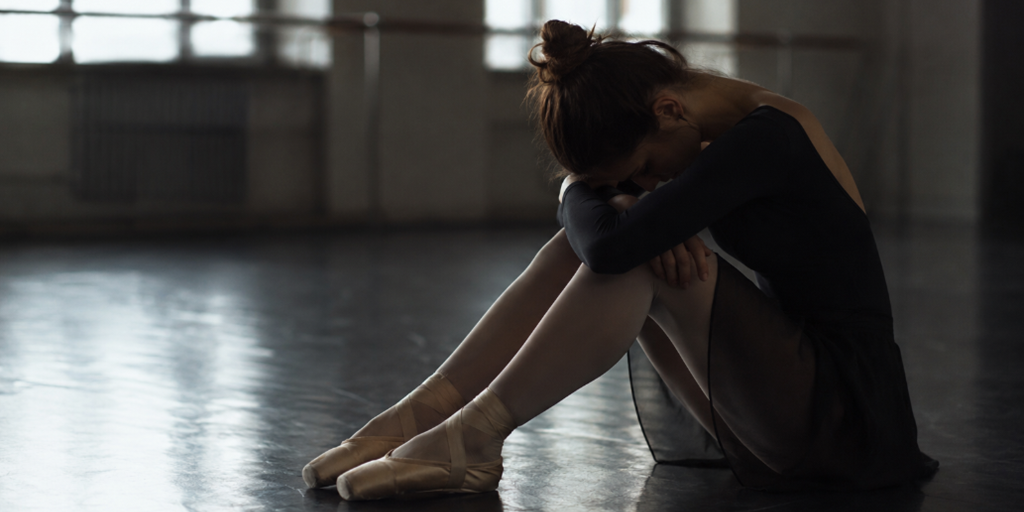
There is no doubt that dancers are truly resilient. Still, we have also noticed that some issues stay behind closed doors. Of course, physical exhaustion is expected while practicing such an athletic discipline. However, psychological strain often goes unnoticed, and this leads to conversations about depression in dancers. The need to be perfect, competition, and expectations of a certain body type create particular stressors.
Acknowledging this challenge is the first step towards creating a more comfortable atmosphere in the studio. We would like to assist you in identifying the signs of possible mental health problems and suggest several approaches to dealing with them. Please remember that your wellbeing deserves as much attention as your dancing skills!
Signs of Depression in Dancers
The signs of mental health problems are frequently concealed by fatigue and lack of motivation. For this reason, dance and depression symptoms may look like a natural response to intensive practice routines. Our faculty and teachers always recommend that everyone pays particular attention to behavioral changes in a student or fellow performer.
The most distinctive indicator of depression in dancers is losing enthusiasm for performing. For instance, a student starts avoiding classes or shows a particular lack of interest. The second important signal may be sudden withdrawal from social interactions. A dancer becomes extremely quiet, starts spending weekends in solitude, and shows unusual sadness.
Other signs include poor sleeping patterns and dietary problems. Depression makes a person lose interest even in those activities that bring them pleasure. A dancer cannot concentrate on choreography and is unable to complete even the simplest moves. Unusual irritability and extreme criticism during practice may also indicate an issue.
Approaches to Coping with Depression and Dance
Finding ways to overcome an emotional turmoil requires courage. That is why we always tell our dancers that taking care of their mind is as crucial as exercising physically. The first approach that works in most cases is giving yourself a break. Leaving the barre for a few days does not mean losing everything that you gained during years of practice.
Consultation with a specialist can be helpful if nothing seems to work. A sports psychologist who focuses on working with performers may help to cope with performance anxiety and eliminate negative self-talk. We strongly recommend visiting professionals who can create a safe environment for discussion.
Reframing your attitude towards perfectionism is another way of managing symptoms. Every move is beautiful, but there are no flawless performances. We advise concentrating on your own progress and expressing your unique vision of each piece of choreography. Celebrating small accomplishments in class is another useful technique.
The Importance of Creating a Healthy Community
Any illness heals faster in the circle of supportive people. The atmosphere in a dance studio significantly impacts the health of its performers. Creating a culture where being vulnerable is welcomed can make wonders. Talking openly about the existing issues decreases stress levels dramatically and supports dancers’ mental health.
Having the chance to connect with other dancers experiencing the same problems can be very encouraging. In many cases, conversations during breaks or warm-up can reveal the fact that you are not alone in these challenges. Our dancers have created special bonds with fellow members of the community.
Teachers and directors should show particular empathy because they play a key role in setting the proper tone in the studio. Being aware of the students’ condition and helping them find the right balance are some of the primary roles of dance leaders. Valuing a person is the foundation of a healthy community.
Frequently Asked Questions
Is it normal to suffer from depression?
Yes, it is quite common. The combination of physical activity, constant critique, and stressful performances makes many dancers develop psychological problems. Acknowledging this issue is the first step towards creating awareness and providing more opportunities for treatment.
What can a dance instructor do in such a case?
Dance teachers should be ready to talk with a struggling student and analyze their situation carefully. We recommend focusing on positive comments and praising achievements in order to reduce excessive pressure. Offering assistance and pointing students towards professionals is another effective technique.
Is it okay to continue dancing despite depression?
It depends on a particular case and recommendations provided by specialists. Some performers find dancing very beneficial for their recovery, while others require a short break from the barre. You need to listen to your body and follow the advice of healthcare providers.
Your Mental Health Takes Center Stage
The road towards overcoming depression is never easy. However, achieving happiness and finding a way back is possible. Your passion and love for movements can coexist harmoniously with mental wellbeing. All you need is a little support, persistence, and help from the right professionals.
Please remember that you are an exceptional personality that deserves to flourish. If you or any of your dance colleagues encounter mental health problems, we recommend contacting professionals who can help you manage them successfully!