
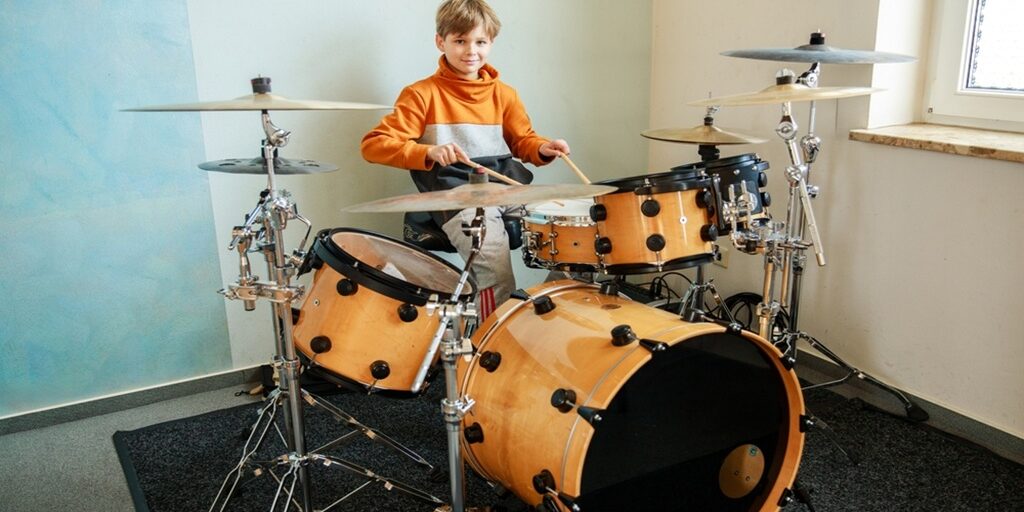
Playing an instrument is a new skill that can be intimidating. As far as drums are concerned, would-be players wonder if they qualify. Here is the good news: it is a possible and rewarding experience for anyone when done appropriately. Are drums easy to learn? No secret talent is needed – the secret is an ongoing and systematic practice schedule.
This guide from Chara Christian Dance Academy will show how important practice is to learn any instrument and provide an introductory practice routine to new drummers. We will also touch upon why it is important to listen to your instructor to ensure that you are laying down good foundations to your musical career.
Is drumming easy to learn? No, but hard work and patience will always be rewarded!
Why Practice is the Key to Greatness
Regardless of which instrument you select, regular practice is what differentiates amateurs from experienced players. Drumming requires all four limbs to work together to coordinate movements, which means that you must build muscle memory. This refers to how your body becomes accustomed to moving automatically without necessarily having to think about it consciously.
By practicing constantly, you’re training your body and mind to move in complete unison. As time goes on, movements that once were uncoordinated and difficult will come naturally.
Are the drums easy to learn? This is a common question, but with steady practice, you’ll find the process becomes simpler over time. This enables you to work on the subtlety of playing, such as timing, creativity, and dynamics, instead of having to work so hard to play the correct drum at the correct time. Constant practice will keep you going forward and keep you motivated.
A Good Daily Routine for Beginners
For beginners, a short and easy-to-manage practice schedule is best. It is preferable to practice daily for a short while rather than once a week with a long and tiring practice session. Go for approximately 20 to 30 minutes of concentrated practice, five to six days a week.
Begin every session with a brief warm-up. This might be some simple stick exercises, such as a practice pad of single and dual strokes. By warming up, you prevent injury and loosen up the hands and wrists to play increasingly challenging passages.
Following your warm-up, spend some time mastering a particular skill. This might be a simple rock beat, a fill you’re struggling to play, or a piece of music that you’re learning. Finish your session by playing something that you personally enjoy. This keeps practice enjoyable and solidifies in your mind that drumming is an expression.
Listen to Your Tutor’s Advice
While a personal practice routine is essential, the guidance of an experienced drum tutor is invaluable. A good teacher can provide a structured lesson plan tailored to your specific needs and goals. They can spot bad habits before they become ingrained and offer immediate feedback to correct your technique. If you want real progress and expert guidance, consider enrolling in Chara’s drum lessons in Pearland, TX.
You will be provided with exercises and tunes to try during sections of practice between lessons. These set pieces should be the backbone of practice time. They have been chosen to allow you to learn skills stepwise and in a logical sequence. Pragmatic implementation of your tutor’s recommendations allows you to practice efficiently and not solidify errors. This pairing of solo practice and expert direction is the quickest path to becoming a capable and confident drummer.
Putting It All Together
To learn drums is to journey and not to race. Though it might intimidate you when you start from zero, it becomes a much easier and a more enjoyable task when a regular practice schedule is set in place. By dedicating just a short time daily to concentrated practice and following a qualified instructor, you will be amazed to see how fast you will advance. Get your sticks into action along with a schedule and be prepared to discover your rhythm!