
Do you or your child wonder…how easy is it to learn piano? Reality check: playing the piano is less difficult than you may have pictured it, and the reward significantly outweighs time spent practicing.
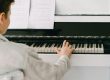
Piano also has distinct advantages for beginner students. Unlike instruments that need proficient embouchure or bowing styles, piano keys play distinct notes by mere finger depressions. Sound feedback is instant for these initial improvements, making the end result evident and encouraging for beginners.
Popular Misunderstandings About Learning the Piano
Some myths discourage students from starting. It’s frequently said that you must begin when you’re a toddler so that you become a master of the instrument. But actually, students who are adults have the benefit of greater concentration powers, self-discipline, and theory knowledge that will enable them to advance sooner.
Another misconception is that playing the piano demands extraordinary intrinsic talent. Although certain individuals possess intrinsic musical talent, regular exercise and appropriate teaching count a great deal more than talent. Most students will be able to play easy melodies in a matter of weeks after beginning lessons. In fact, many parents find that enrolling their children in piano classes for kids helps young learners progress with confidence.
The notion that it takes years before playing the piano will be fun also discourages many from getting started. Contemporary teaching emphasizes the early playing of recognizable tunes so that the experience pays immediate dividends instead of a long series of drudgery through scales and theory. Is learning piano easy? The answer is that patience and the right instruction from Chara can make the process enjoyable and rewarding.
What Influences How Fast You Learn?
A few major factors affect how fast you will advance for piano. Age is a factor, but in a manner that most will find counterintuitive. Youngsters typically pick up finger patterns easily because of maturing motor capabilities, and adults learn theory and playing strategies better.
Your practice routine has a great influence on the rate of progress. Systematic, intense practice sessions of between 15 and 30 minutes a day are better than infrequent longer sessions. Quantity is secondary to quality while developing muscle memory and cementing new ideas.
Pre-existent musical experience offers useful background knowledge. If you have played instruments or have been in a choir, you will know patterns, rhetoric, and musical structures that will hasten learning the piano. But absolute beginners need not worry – they all begin from the beginning.
Keys to Effective Practice for Success
Good technique turns raw work into productive progress. Start each session by playing easy warm-up exercises to loosen the fingers and brain. Be accurate instead of fast for a beginner’s level because proper placement of the fingers and rhythm are the requirement for higher-level techniques.
Divide tough sections into manageable pieces instead of tackling whole songs. You learn a handful of measures at a time and incrementally add sections. This avoids the risk of overwhelm while giving you attainable goals that you move toward.
Listen attentively to your teacher’s instruction during lessons. Experienced teachers at Chara observe technical issues and provide corrections that do not lead to the formation of wrong habits. They also prescribe appropriate repertoire that suits your current level of proficiency while introducing new challenges.
Self-recording while playing identifies the spots where your playing is imperfect that you will miss when practicing. Most students discover that they have timing or wrong notes that they could not identify when focusing on playing.
Your Piano Path Begins Here
Is it easy to learn piano? Learning piano is completely accessible for motivated new students of any given age. Beginners play simple melodies in their initial month of study, and challenging pieces are handled by students after a few months of continuous practice.
The recipe for success is realistic expectations, frequent practice, and appropriate instruction. Rather than worrying about talent or perfect technique, think of enjoying the learning process and complimenting small successes along the way.
Why not start? Find a qualified teacher at Chara that will recognize your goals and your learning technique. Should you play top hits or classical pieces, your piano experience has commenced. The last question remains: which piece will you get the chance to master first?