What Should My Child Wear To Dance? What Parents Need to Know
When you’re getting your dancer ready for class, you may find yourself wondering:
Does their hair really need to be in a bun? Do they need tights under their shorts? Does having the right pair of shoes really make that much of a difference?
We understand! Getting children out the door and to their activities can already be a process, and adding a specific dress code can feel like one more thing to remember.
But at Chara Christian Dance Academy, our dress code isn’t simply about everyone looking the same. Each part of it has a purpose.
Our dress code helps us create a safe, focused learning environment where teachers can provide the best possible instruction while also teaching dancers responsibility, discipline, and integrity.
Here’s what we ask dancers to wear—and, more importantly, why we ask for it.
Why Do Dancers Need to Wear a Leotard?
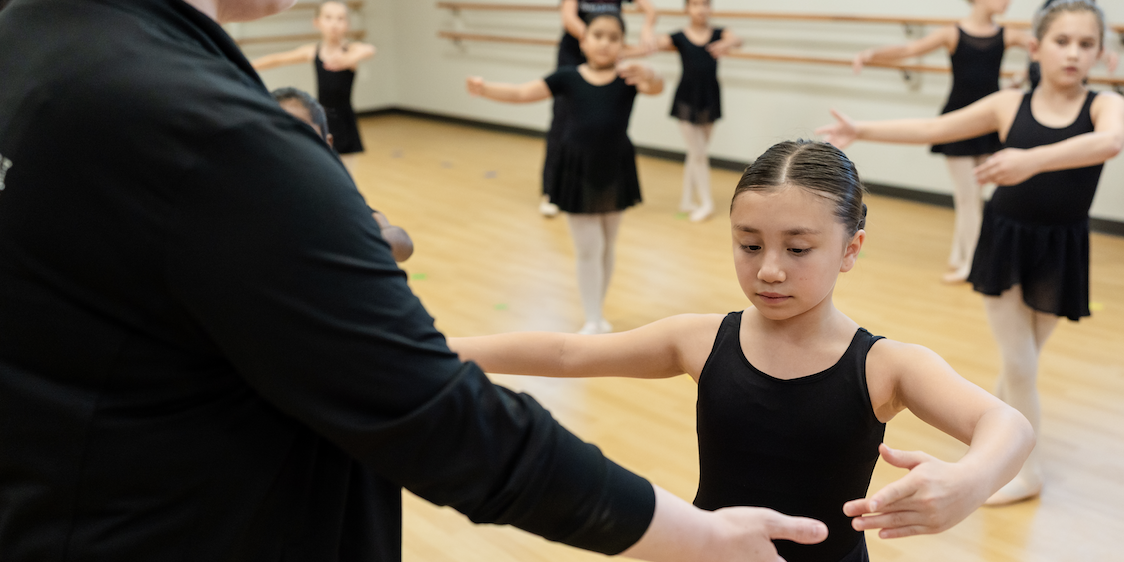
One of the most important tools a dance teacher has is the ability to see a dancer’s alignment.
When a student is wearing fitted dancewear, teachers can better see things like posture, placement, turnout, straight knees, core engagement, and overall body alignment.
These details matter because small adjustments can make a big difference in both technique and safety.
Loose or oversized clothing can make it difficult for a teacher to see whether a dancer is executing a movement correctly. Baggy clothing can also become a safety concern during partner work, lifts, turns, and other movement.
That’s why we require our dancers to wear a leotard to class.
Think of dancewear like equipment for another sport. A soccer player needs cleats and shin guards, and a dancer needs clothing and shoes that allow them to move safely while helping their teacher coach them effectively.
Why Are Tights Required Under Some Shorts?
For Jazz, Contemporary, and Hip Hop classes, dancers may sometimes wear shorts over their leotard.
If those shorts are shorter than mid-thigh, we ask dancers to wear tights underneath.
There are two main reasons: modesty and protection.
Our dancers frequently stretch, kick, leap, roll, slide, and work on the floor. Tights provide appropriate coverage while also creating a layer between the dancer’s skin and the floor, which can help make floor work more comfortable and reduce friction.
Why Does Hair Need to Be in a Bun?
Whenever possible, dancers should arrive with their hair secured neatly in a bun.
Hair that is constantly falling into a dancer’s face can become distracting, especially during turns, jumps, across-the-floor exercises, and choreography.
Keeping hair secured allows dancers to see clearly, stay focused, and move without stopping to fix their hair throughout class.
It also helps create the polished, prepared environment we want our students to learn to take pride in.
Why Can’t Dancers Wear Jewelry or Smartwatches?
We ask dancers to leave jewelry—including earrings, necklaces, bracelets, and rings—at home.
This is primarily a safety issue.
Dance is highly physical. Dancers may be moving quickly across the floor, working with partners, or dancing close to other students. Jewelry can become caught on clothing or another dancer, and small pieces can fall onto the floor where dancers may be moving barefoot or in thin dance shoes.
Smartwatches should also stay outside of the classroom.
Our teachers work hard to create an environment where dancers can be fully present. Texts, calls, and other notifications can quickly become a distraction during class. We will always begin and end classes on time so dancers can disconnect from their devices and focus on what they’re learning.
Does My Dancer Really Need the Correct Dance Shoes?
Yes! Dance shoes aren’t simply part of the uniform—they’re designed to help dancers perform the movements required for each specific style.
At Chara, dancers should wear:
- Ballet shoes for Ballet
- Tan Jazz shoes for Jazz
- Tan Tap shoes for Tap
- Black tennis shoes for Hip Hop
- Flesh-colored Turners for Contemporary
We also ask dancers not to participate in socks.
Socks don’t provide the same traction, support, or control as proper dance shoes and may increase the likelihood of slipping during movement.
The correct shoes allow dancers to practice their technique in the same type of footwear they’ll consistently use in that style.
Dress Code Teaches More Than Dance
There’s another reason dress code matters to us that has very little to do with leotards or shoes.
It teaches dancers how to come prepared.
Remembering the correct shoes, putting hair in a bun, removing jewelry, and arriving dressed appropriately are small opportunities for students to develop responsibility.
As dancers grow older, we encourage them to take more ownership of these responsibilities themselves.
Learning to show up prepared—even on the days when it would be easier not to—is part of the discipline that comes with being a dancer. These are habits that can carry into school, future activities, jobs, and other areas of life.
At Chara, our goal has never been to simply teach great dancers. We want to help develop confident, responsible young people with strong character.
Dress code is one small way we practice those values every week.
What If I’m Not Sure What My Dancer Should Wear?
We know there are a lot of details to remember, especially when your child is brand new to dance or enrolled in multiple styles.
You don’t have to figure it out alone.
Chara’s complete dress code—including the appropriate leotard color for your dancer’s age and class—is available in our Policy Highlights and Program Guide. You can also find the dress code anytime at charadance.com under the About tab.
And if you’d rather have someone show you exactly what you need, we’re happy to help!
Align Boutique is conveniently located inside all three Chara locations. Our Customer Care Team can help you find the correct leotard, tights, and shoes for your dancer so you can purchase what you need while you’re already at the studio.
Setting Dancers Up for Success
Ultimately, Chara’s dress code isn’t about perfection.
It’s about preparation.
When dancers walk into class with their hair secured, the correct attire on, and the proper shoes ready to go, we’ve removed several potential distractions before class even begins.
Their teacher can focus on teaching.
The dancer can focus on learning.
And together, we can create a safe, focused, encouraging environment where every student has the opportunity to grow.
Have questions about what your dancer needs for class? Our Customer Care Team would love to help. Reach out to us or stop by the front desk during your next visit, and we’ll make sure your dancer is ready to step into class with confidence.