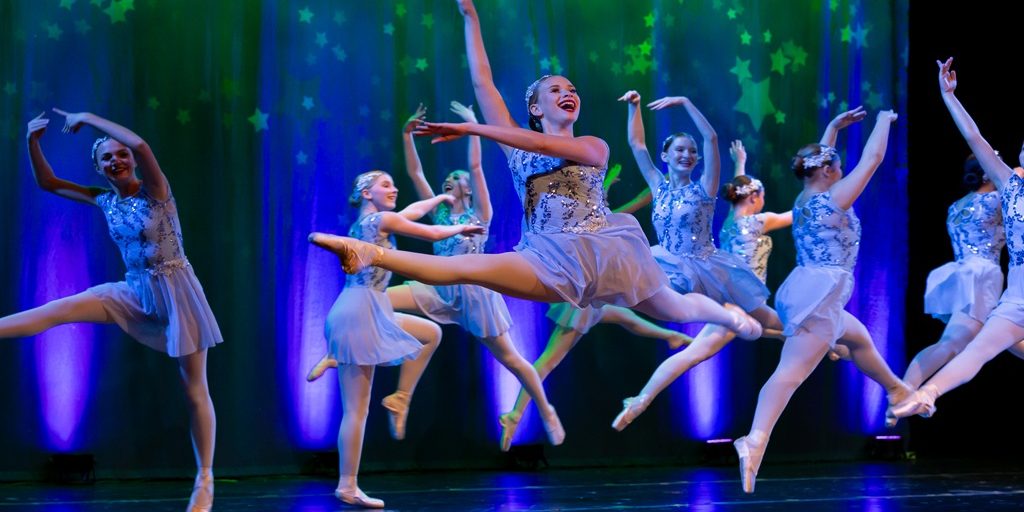
Dance is not just the movement of the body to the rhythm of the music; it is a very complex art form with basic concepts that form the basis of all dance performances. If you’re searching for Friendswood private dance lessons, understanding these concepts is a great place to start. Regardless of the type of dance, whether ballet, hip-hop, contemporary, etc., there are five basic components at play. They are collectively known as the BASTE components: Body, Action, Space, Time, and Energy.
These components of dance enable dancers to improve their dancing techniques while providing the audience with the ability to appreciate the art behind the movement. What are the elements of dance? Well, they are also the components we teach in our dance classes to our students, regardless of their age, to enhance their understanding and appreciation of the art and the ability to express themselves.
Time: The Rhythm Behind Every Move
The element of Time controls the movement of the body to the rhythm of the music. A dance move could be fast and staccato, while another move could be slow and flowing. It all depends on the choreography. It also controls the tempo and the length of the movement. A move could be fast and then slow, etc. Understanding the elements of dance helps dancers master these variations and express musicality with precision.
We teach our students the importance of Time in dance to enable them to develop the ability to move in harmony with the sound of the music.
Energy: The Foundation Behind Power and Longevity
Through the use of energy, dancers are able to communicate their own stories in ways that do not involve the use of words. We encourage our students to be able to understand the different qualities of movement, which will enable them to express themselves in their own unique way.
Space: Navigating the Performance Environment
One of the most important considerations for any dancer is the dance element of space – how they use and move within the performance area.
Space incorporates all the factors involved in the movement of the dancers. It includes the level at which the dancers move, the direction in which they move, and the paths they take while performing. It also includes the ways in which the dancers move around the performance area. Every movement involves the use of space in some way.
In our classes, we encourage the students to be aware of their own space and the space of the other dancers involved in the performance. It should be noted that this element is very important in both individual performances and group choreography.
Action: Understanding Movement Types
Understanding these dance elements allows dancers to expand their technical skills and creativity, enabling a more dynamic and engaging performance.
Action entails the type of movement involved. It includes the type of movement the dancers make with their own bodies. It should be understood that action includes both locomotor and non-locomotor movement. Locomotor movement entails the movement of the dancers from one place to another. It includes movement such as walking, running, and leaping. Non-locomotor movement, on the other hand, entails the movement of the dancers in place. It includes movement such as bending, twisting, and stretching.
Choreographers combine the two types of movement to create unique and interesting performances. Our instructors encourage the students to be able to master both types of movement. This will enable the students to be versatile in their performances.
Body: The Foundation of Physical Expression
The body element entails the shape, symmetry, and movement patterns. Dancers use their own body to create unique shapes. They also create symmetrical and asymmetrical body shapes. Every shape created has a role to play in the performance. It should be understood that the body shape created has the ability to communicate with the audience.
We encourage the students to be aware of their own body shape and the different ways in which their body shape will be perceived.
Summary
These five elements are never found in isolation. Every form of dance will have body positions accompanied by certain actions, which are carried out in space, time, and energy. The magic happens when all the elements are in harmony to produce a cohesive performance.
At Chara Dance, we weave BASTE principles into every class, providing our students with the tools they need to develop as complete dancers. Whether your child is a beginner or looking to refine their skills, a basic understanding of these principles can help them enjoy this beautiful art form even more!

Shanna Kirkpatrick Logo