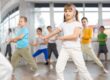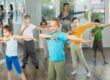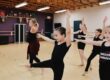

For those interested in Pearland ballet classes for kids, understanding the right attire from the start shapes the experience. The ambience a dancer feels when they step into a studio differs vastly from when they step onto a stage, and these clothes mirror this contrast in their entirety. The clothes worn in class are purely for function and correction, whereas performance clothes lie in the realm of illusions.
In our belief, awareness of these differences will bring our students an increased level of respect for this art form. No matter if you are a parent shopping for your child’s first uniform or an adult beginner with an interest in this culture, you may be asking yourself, what does a ballet dancer wear? This is a look at how ballet costumes will change from barre to stage.
The Functional Uniform of Ballet Class
The main purpose of wearing these clothes in class is to be seen. Of course, we want to see the body clearly in order to assess alignment, posture, and muscular usage. If you’re wondering what to wear in ballet class, remember that loose clothes will cover flaws which can put you in harm’s way, which is why uniforms are generally so tight.
What do ballet dancers wear to practice? The starting point of class wear is a leotard. A leotard hugs our bodies like a second skin, making it possible to distinguish the contour of our back and hip location. Although colored leotards depend on a school’s uniform requirements, black leotards are a norm for higher levels of education, taking into consideration varying designs from simple camisoles to intricate designs featuring long sleeves.
Tights are equally important. They have a dual function where they not only warm up the muscles but also provide a seamless fit from hip to toe. In classical training, light pink or skin-colored tights are worn since they reveal definition in leg muscles. Understanding the dress attire for ballet is essential, as each piece serves a purpose, both for aesthetics and safety.
The footwear worn in class will be soft ballet slippers, which can be canvas or leather. The slippers allow the individual to make contact with the floor and work their feet in a way which builds strength. As class begins, especially during colder months, you will notice students warming up in warm-up clothes. Examples include leg warmers, short knitted pants, or a wrap sweater.
Of course, we will soon ask them to remove these warm layers to better assess their technique. Each ballet dancing dress and accessory is carefully chosen to support both practice and progression.
The Magic of Stage Performance Costume
As the curtain opens, attention turns from correction to creative expression. Costumes for performance can be far more intricate, costly, and formalized than those used in everyday practice. The most famous example of performance wear is, naturally, the tutu. When you consider practice clothing, it is quite different from their elaborate stage costumes, emphasizing practicality and movement.
Tutus appear in different designs based on the function. Romantic tutus have layers of tulle fabric that reach below the calf, offering a soft appearance. A classical tutu is short and stiff with horizontal extensions below the hips, which highlight footwork. Such costumes are usually sewn by hand and can be very heavy, which demands strong core muscles in a dancer for them to move majestically.
For female ballet students, working towards ballet on pointes is a common goal. While advanced students wear pointes during class, performance pointes are always in perfect condition. They are constructed with layers of fabric and glue, all bound in a layer of satin. They have a box-like structure to support a dancer’s full weight on her toes.
Lastly, stage lighting is very bright and can wash out facial features. To fix this problem, stage makeup is used in much heavier amounts than other makeup, with heavy eyeliner and contouring to make sure a dancer’s facial expressions can be seen all the way in the back of an auditorium. Hair is pulled back with pins and sometimes topped with a floral crown or a tiara based on a character.
Appreciating the Art Form
The contrast between the simplicity of class wear and stage costumes speaks of the path of a dancer. The training accomplished in a simple leotard and tights will, in fact, make a dancer shine when they are in a stunning tutu. This is why we enjoy working with our students through each step of this process at Chara to make sure they are ready, regardless of what they have on!
Read Our Other Blog: How Long Does it Take to Learn Dancing?

Shanna Kirkpatrick Logo